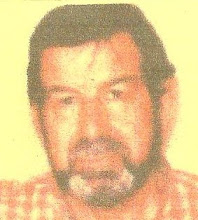
(Published in Delaware County Daily Times, on Saturday, October 25, 2008)
By Dr. Mahmoud S. Audi
Times Guest Columnist
What does U. S. Sen. John McCain, R-Ariz., mean when he says “My country first?”
Is he sincere, does he really mean it? Let us see. If one puts his country first, he would listen to his country. How does one listen to a country? Who represents a country? The answer is as clear as a full moon on a pitch-dark sky: The people talk for their country.
So the question that begs a quick and clear answer is, does McCain listen to the people? Hardly. McCain listens mostly to himself and revels in admiring what he hears. He is desperate to win and he makes enemies of his opponents in the process.
The glaring example of him not listening to our country is the Iraqi war. He hasn’t listened to the people of America, and he hasn’t listened to the Iraqis, and he hasn’t listened to our friends and allies. The people want us to pull out our troops from Iraq and spare the lives of our brave men and women in uniform, and the civilian victims of the war, and spare billions of dollars that have been bled from our economy. So his claim that he puts his country first is bogus!
In his current campaign for the presidency of America, he had focused, almost exclusively, on his opponent’s lack of experience and trashed him frequently with the “Not ready to lead” epithet until he selected his own nominee for vice president—a person whose credentials on answering questions are lacking, and whose idea of debate is not to debate, but to blurb whatever she had crammed during the night before the debate.
At his age (72), he can easily pass on at anytime, yet the person whom he had chosen to succeed him lacks real experience in governing much more so than his opponent. What do we call that? How about hypocrisy? His inconsistency and stubbornness is amazing. It seems to me McCain thinks that whatever he does or says is the right thing to do and to say, logic and reasoning could take a hike.
His demeanor and rudeness amaze me. During the first presidential debate he accused his opponent of being naïve. He also slugged him with “he does not understand,” and its derivatives many times. A polished politician does not do that. Instead he would let the listeners come to the conclusion, by putting his experience to action.
Who of the two candidates is better qualified to know the difference between the words "tactic" and "strategy?”McCain thought of these words as military terms only. His opponent must not be allowed to use them. In fact, his opponent was right.
Our strategy is to withdraw from Iraq, and we use tactics, such as sending more troops to the war theater, to support that strategy without further endangering our troops. In McCain’s case we can say we developed a strategy to win the war at any cost, and we use tactics, such as sending more troops to the war theater, to support that strategy.
Here is one more note about the debate. McCain never looked at his opponent (he was perhaps afraid to get charmed) and he never looked at the audience. Instead he looked at the moderator as if he was seeking his approval and his encouragement. That was a poor debating tactic to support a strategy of winning the debate!
Since my high school study of the history of Western Europe and my college freshman study of Western Civilization, I have admired Winston Churchill as the leader who saved Western Europe from the ambitions and travails Germany. But reading “Churchill, Hitler, and 'The Unnecessary War,' "by Patrick J. Buchanan, I came out with a different picture about Churchill.
Churchill was a racist and a White Supremacist. He had been the cause of all evil that beset the World during more than five decades of the 20th century. I know McCain is not racist, but he admires Churchill, and I hope he would not emulate him if he will become our president. The United States can always defend itself; unlike Britain who needed our help for its survival during two world wars. Yet his cry, “Victory at all cost,” worries me because of the language McCain uses when he talks about the war on Iraq, and the wars which he might wage if he becomes our president.
His age is not a problem unless he makes it one. People of his age are usually wise and less vindictive, calculating and less impulsive, steady and less erratic than younger candidates. Nevertheless, McCain, based on my observations, and from reading his book “Worth the Fighting For,” is driven by only one force: a desire to achieve the next higher goal for his life.
I am worried about his way of making decisions. He acts on the bases of instincts and hunches--no further consultation and assessment. Scientists use instincts and hunches too, but they use them as a first step. They move on to prove or disprove their guesses.
U.S. Sen. Barack Obama, D-Ill., is far from perfect, but he seems more capable than his opponent of looking to the future rather than the past.
Dr. Mahmoud S. Audi, a retired professor of engineering, lives in Clifton Heights
Sunday, October 26, 2008

Tuesday, October 14, 2008
Bankers as Sophisticated Beggars
The Quotation:
“Citigroup Inc. and JPMorgan Chase & Co. were told [by the US Treasury Secretary, Henry Paulson] they would each get $25 billion; Bank of America Corp. and Wells Fargo & Co., $20 billion each (plus an additional $5 billion for their recent acquisitions); the Goldman Sacks Group Inc. and Morgan Stanley, $10 billion each, with the Bank of New York Mellon Corp. and State Street Corp. each receiving $2 to $3. Wells Fargo will get $5 billion for its acquisition of Wachovia Corp., and Bank of America the same amount for its purchase of Merrill Lynch & Co. Inc..”
--- The Philadelphia Inquirer, Tuesday October 14, 2008
(Based on report in The New York Times)
The Comment:
Let us say that Corporations run the world, and banks run corporations. Wall Street is the playgrounds of the banks. Then, the small business owners and the middle class folks are objects that are screwed on the playgrounds.
Let them fall back to what they had been before the monetary inventions: Bankers. Let them fall back to banking and eliminate the gambling aspect of Wall Street: no financial derivatives, no financial instruments, no manipulating innocent people out of their pants, and no nonsense.
The bankers invented these so called instruments to facilitate sucking it to uninitiated ordinary people. Let them give back the millions they have had collected in salaries and bonuses. The banks that are mentioned in the above stated quote are internationals: they are connected by the rays of the sun as it moves around earth (scientifically speaking the earth moves around the sun) from the morning to the next morning, and on again.
Let banks do banking, and let banking be banking, and not horse race on horse race runs.
As a tax paying concerned citizen of this generous country, I want to know when will the bankers pay us back our money, and what is the interest we would be collecting.
Mahmoud S. Audi, Ph.D.
10-14-2008
“Citigroup Inc. and JPMorgan Chase & Co. were told [by the US Treasury Secretary, Henry Paulson] they would each get $25 billion; Bank of America Corp. and Wells Fargo & Co., $20 billion each (plus an additional $5 billion for their recent acquisitions); the Goldman Sacks Group Inc. and Morgan Stanley, $10 billion each, with the Bank of New York Mellon Corp. and State Street Corp. each receiving $2 to $3. Wells Fargo will get $5 billion for its acquisition of Wachovia Corp., and Bank of America the same amount for its purchase of Merrill Lynch & Co. Inc..”
--- The Philadelphia Inquirer, Tuesday October 14, 2008
(Based on report in The New York Times)
The Comment:
Let us say that Corporations run the world, and banks run corporations. Wall Street is the playgrounds of the banks. Then, the small business owners and the middle class folks are objects that are screwed on the playgrounds.
Let them fall back to what they had been before the monetary inventions: Bankers. Let them fall back to banking and eliminate the gambling aspect of Wall Street: no financial derivatives, no financial instruments, no manipulating innocent people out of their pants, and no nonsense.
The bankers invented these so called instruments to facilitate sucking it to uninitiated ordinary people. Let them give back the millions they have had collected in salaries and bonuses. The banks that are mentioned in the above stated quote are internationals: they are connected by the rays of the sun as it moves around earth (scientifically speaking the earth moves around the sun) from the morning to the next morning, and on again.
Let banks do banking, and let banking be banking, and not horse race on horse race runs.
As a tax paying concerned citizen of this generous country, I want to know when will the bankers pay us back our money, and what is the interest we would be collecting.
Mahmoud S. Audi, Ph.D.
10-14-2008
Monday, October 6, 2008
For progress, tranquility, and peace, I will not vote for McCain on November 4, 2008
By Dr. Mahmoud S. Audi
(1)
What does U.S. Sen., John McCain mean when he says “My country first”?
Is he sincere, does he really mean it? Let us see. If one puts his country first, he would listen to his country. How does one listen to a country? Who represents a country? The answer is as clear as a full moon on a pitch dark sky: the people talk for their country.
So the question that begs a quick and clear answer is “Does McCain listen to the people?” Hardly. McCain listens mostly to himself and revels in admiring what he hears. He is desperate to win and in the process, he makes enemies of his opponents.
The glaring example of him not listening to our country is the Iraqi war; he hasn’t listened to the people of America, and he hasn’t listened to the people of Iraq, and he hasn’t listened to our friends and allies. The people want us to pull out our troops from Iraq and spare the lives of our brave men and women in uniform, and the civilian victims of the war, and spare billions of dollars that have been bled from our economy. So his claim that he puts his country first is bogus!
(2)
In his current campaign for the presidency of America, he had focused, almost exclusively, on his opponent’s lack of experience, and trashed him frequently with the “Not ready to lead” epithet, until he selected his own nominee for vice president—a person whose credentials on answering questions are lacking, and whose idea of debate is not to debate, but to blurb whatever she had crammed during the night before the debate.
At his age (72), he can easily pass on at anytime, yet the person whom he had chosen to succeed him lacks real experience in governing much more so than his opponent. What do we call that? How about hypocrisy? His inconsistency and stubbornness is amazing. It seems to me that McCain thinks that whatever he does or says is the right thing to do and to say, logic and reasoning could take a hike.
(3)
His demeanor and rudeness astonish me. During the first presidential debate he accused his opponent of being naïve. He also slugged him with “he does not understand,” and its derivatives, many times. A polished politician does not do that. Instead he would let the listeners come to the conclusion, by putting his experience to action.
Who of the two candidates is better qualified to know the difference between the meanings of the words "tactic" and "strategy"? McCain thought of these words as military terms only, and therefore he has ownership of them. His opponent must not be allowed to use them. In fact, his opponent was right.
Our strategy is to withdraw from Iraq, and we use tactics, such as sending more troops to the war theater, to support that strategy without further endangering our troops. In McCain’s case we can say we developed a strategy to win the war at all cost, and we use tactics, such as sending more troops to the war theater, to support that strategy.
Here is one more note about the debate. McCain never looked at his opponent (he was perhaps afraid to get charmed) and he never looked at the audience. Instead he looked at the moderator as if he was seeking his approval and his encouragement. That was a poor debating tactic to support a strategy of winning the debate!
(4)
Since my high school study of the history of Western Europe and my college freshman study of Western Civilization, I have admired Winston Churchill as the leader who saved Western Europe from the ambitions and travails of Germany. But reading “Churchill, Hitler, and 'The Unnecessary War,' "by Patrick J. Buchanan, I came out with a different picture of Churchill.
Churchill was a racist and a White Supremacist. He had been the cause of all evil that beset the World during more than five decades of the 20th century. I know that McCain is not racist, but he admires Churchill, and I hope he would not emulate him if he becomes our president. The United States can always defend itself; unlike Britain who needed our help for its survival during two world wars. Yet his cry, “Victory at all cost,” worries me because of the language McCain uses when he talks about the war on Iraq, and the wars which he might wage if he will become our president.
(5)
His age is not a problem unless he makes it one. People of his age are usually wise and less vindictive, calculating and less impulsive, steady and less erratic than younger candidates. Nevertheless, McCain, based on my observations, and from reading his book “Worth the Fighting For,” is driven by only one force: a desire to achieve the next higher goal for his life.
I am worried about his way of making decisions. He acts on the bases of instincts and hunches. No further consultation and assessment. Scientists use instincts and hunches too, but they use them as a first step. They move on to prove or disprove their guesses.
(6)
I share my conclusion with that of Trudy Rubin of the Philadelphia Inquirer, who wrote on Wednesday, October 1, 2008, U.S. Sen., Barack Obama, D-Ill., “… is far from perfect, but he seems more capable than his opponent of looking to the future rather than the past.”
(1)
What does U.S. Sen., John McCain mean when he says “My country first”?
Is he sincere, does he really mean it? Let us see. If one puts his country first, he would listen to his country. How does one listen to a country? Who represents a country? The answer is as clear as a full moon on a pitch dark sky: the people talk for their country.
So the question that begs a quick and clear answer is “Does McCain listen to the people?” Hardly. McCain listens mostly to himself and revels in admiring what he hears. He is desperate to win and in the process, he makes enemies of his opponents.
The glaring example of him not listening to our country is the Iraqi war; he hasn’t listened to the people of America, and he hasn’t listened to the people of Iraq, and he hasn’t listened to our friends and allies. The people want us to pull out our troops from Iraq and spare the lives of our brave men and women in uniform, and the civilian victims of the war, and spare billions of dollars that have been bled from our economy. So his claim that he puts his country first is bogus!
(2)
In his current campaign for the presidency of America, he had focused, almost exclusively, on his opponent’s lack of experience, and trashed him frequently with the “Not ready to lead” epithet, until he selected his own nominee for vice president—a person whose credentials on answering questions are lacking, and whose idea of debate is not to debate, but to blurb whatever she had crammed during the night before the debate.
At his age (72), he can easily pass on at anytime, yet the person whom he had chosen to succeed him lacks real experience in governing much more so than his opponent. What do we call that? How about hypocrisy? His inconsistency and stubbornness is amazing. It seems to me that McCain thinks that whatever he does or says is the right thing to do and to say, logic and reasoning could take a hike.
(3)
His demeanor and rudeness astonish me. During the first presidential debate he accused his opponent of being naïve. He also slugged him with “he does not understand,” and its derivatives, many times. A polished politician does not do that. Instead he would let the listeners come to the conclusion, by putting his experience to action.
Who of the two candidates is better qualified to know the difference between the meanings of the words "tactic" and "strategy"? McCain thought of these words as military terms only, and therefore he has ownership of them. His opponent must not be allowed to use them. In fact, his opponent was right.
Our strategy is to withdraw from Iraq, and we use tactics, such as sending more troops to the war theater, to support that strategy without further endangering our troops. In McCain’s case we can say we developed a strategy to win the war at all cost, and we use tactics, such as sending more troops to the war theater, to support that strategy.
Here is one more note about the debate. McCain never looked at his opponent (he was perhaps afraid to get charmed) and he never looked at the audience. Instead he looked at the moderator as if he was seeking his approval and his encouragement. That was a poor debating tactic to support a strategy of winning the debate!
(4)
Since my high school study of the history of Western Europe and my college freshman study of Western Civilization, I have admired Winston Churchill as the leader who saved Western Europe from the ambitions and travails of Germany. But reading “Churchill, Hitler, and 'The Unnecessary War,' "by Patrick J. Buchanan, I came out with a different picture of Churchill.
Churchill was a racist and a White Supremacist. He had been the cause of all evil that beset the World during more than five decades of the 20th century. I know that McCain is not racist, but he admires Churchill, and I hope he would not emulate him if he becomes our president. The United States can always defend itself; unlike Britain who needed our help for its survival during two world wars. Yet his cry, “Victory at all cost,” worries me because of the language McCain uses when he talks about the war on Iraq, and the wars which he might wage if he will become our president.
(5)
His age is not a problem unless he makes it one. People of his age are usually wise and less vindictive, calculating and less impulsive, steady and less erratic than younger candidates. Nevertheless, McCain, based on my observations, and from reading his book “Worth the Fighting For,” is driven by only one force: a desire to achieve the next higher goal for his life.
I am worried about his way of making decisions. He acts on the bases of instincts and hunches. No further consultation and assessment. Scientists use instincts and hunches too, but they use them as a first step. They move on to prove or disprove their guesses.
(6)
I share my conclusion with that of Trudy Rubin of the Philadelphia Inquirer, who wrote on Wednesday, October 1, 2008, U.S. Sen., Barack Obama, D-Ill., “… is far from perfect, but he seems more capable than his opponent of looking to the future rather than the past.”
Thursday, August 14, 2008
McCain Should Have Shown Wisdom
By Mahmoud S. Audi
I understand the plight of a country and its people when it is invaded and occupied by a more powerful country, and its overwhelming war machinery. I understand it, because I am close to what has been going on in the Middle East, for more than sixty years, where only the military noise is heard, and diplomacy has been in a coma. I pray for the day when countries of armada military powers, to consider their neighbors as partners in prosperity, and not as masters and followers. This is not likely to happen soon.
So the United States as the greatest military and economic power in the World, should practice wisdom, and activate its moral power, which is the strongest ever, in its dealing with the Russian invasion of Georgia.
On a personal level, my heart goes for the terrorized Georgians, but as the President of the United States I should maintain active neutrality. I would not sit on my laurels while the fighting is going on. Instead, I would ask both sides to halt the fighting. Insist that they do stop the fighting without threatening, and without intimidation, send diplomats to convince both sides to stop while acknowledging the legitimate claims of each side of the fighting.
McCain demonstrated his thirst for … ; seemingly wars are his means of solving problems. When he went to the media microphone and said that he was speaking on behalf of all Americans, he made a mistake, he was presumptuous. His aids should remind him, that there is a sitting president (whether we like his policies or not) who is given the authority to represent us. You may or may not become president. Also, “We are all Berliners!” that is JFK’s sentence in Berlin, but he was president. McCain rushed to say “We are all Georgians!” first he does not have our authority to say that, second as an American, I want a president who would not take sides, instead, he would retain the position of a credible active mediator.
Mr. McCain, take it easy. Do not rush when you are talking, wait and think, when answering a question, look at the person who asked the question. Do not rush when you are walking. You seem to be out of breath; it's not worth it. Who knows we may be able to hear some wisdom rushing from your mouth.
I understand the plight of a country and its people when it is invaded and occupied by a more powerful country, and its overwhelming war machinery. I understand it, because I am close to what has been going on in the Middle East, for more than sixty years, where only the military noise is heard, and diplomacy has been in a coma. I pray for the day when countries of armada military powers, to consider their neighbors as partners in prosperity, and not as masters and followers. This is not likely to happen soon.
So the United States as the greatest military and economic power in the World, should practice wisdom, and activate its moral power, which is the strongest ever, in its dealing with the Russian invasion of Georgia.
On a personal level, my heart goes for the terrorized Georgians, but as the President of the United States I should maintain active neutrality. I would not sit on my laurels while the fighting is going on. Instead, I would ask both sides to halt the fighting. Insist that they do stop the fighting without threatening, and without intimidation, send diplomats to convince both sides to stop while acknowledging the legitimate claims of each side of the fighting.
McCain demonstrated his thirst for … ; seemingly wars are his means of solving problems. When he went to the media microphone and said that he was speaking on behalf of all Americans, he made a mistake, he was presumptuous. His aids should remind him, that there is a sitting president (whether we like his policies or not) who is given the authority to represent us. You may or may not become president. Also, “We are all Berliners!” that is JFK’s sentence in Berlin, but he was president. McCain rushed to say “We are all Georgians!” first he does not have our authority to say that, second as an American, I want a president who would not take sides, instead, he would retain the position of a credible active mediator.
Mr. McCain, take it easy. Do not rush when you are talking, wait and think, when answering a question, look at the person who asked the question. Do not rush when you are walking. You seem to be out of breath; it's not worth it. Who knows we may be able to hear some wisdom rushing from your mouth.
Monday, July 14, 2008
The Supreme Court—yes to “habeas corpus”—Scalia and Roberts were wrong!
By Mahmoud S. Audi, Ph.D.
I started writing this article soon after the US Supreme Court passed a landmark decision, on Thursday, the 12th of June, 2008. But I couldn’t finish it because I needed the time to plan for my overseas vacation. Now I am back and free from the jetlag syndrome, I am ready to write, to inform, and to challenge you with my opinions.
In essence the Supreme Court ruling says no, to the suspension of the habeas corpus—the release of a person from unlawful constraint. Our government has been trying to exclude the detainees at Guantanamo Bay prison from the benefits of habeas corpus. The Supreme Court, in effect, said, five judges in the Majority and four in the Minority, no, to the government, you can’t do that. My opinion on this matter is very simple, although I am not writing to say that, because my knowledge of legal matters is as good as the knowledge of Judge Scalia about engineering matters. I am writing to show that Justice Scalia whose intellect and judicial prowess I respect and Chief Justice Roberts were wrong.
Justice Scalia was one of the four in the Minority Justices, which included Chief Justice Roberts, and Justices Alito and Thomas, offered one of the two Minority opinions. The other Minority opinion was written by the Chief Justice himself.
The Chief Justice said that the decision of the Majority represented “overreaching” and left the court open to “charges of judicial activism.” Mr. Chief Justice, please read what Justice Scalia said. Let me help you. He said that the decision was not based on principle “but rather on inflated notion of judicial supremacy.” Is this a judicial statement or a political attack on the Majority Justices? Also read what he said: “the nation will live to regret what the Court has done today.” This could not be the judgment of a Justice of the Supreme Court. Instead, it sounds like what prophets say and do, or what the politicians say to frighten their constituents. Scalia prophesied that “devastation” and “disastrous consequences” from the decision of the Majority. This is the voice of an alarmist, not a Justice of the Supreme Court.
We need justices who are not prophets and who are not politicians. We need Justices who read the constitution, understand and apply it. We need Justices who leave the political work to the politicians but make sure that they do not break any law. We need justices who worry about the legality of the legislations of the legislators, and leave the worry about our security to the executive branch of our government.
On the other hand, what did the Majority say? Justice Anthony Kennedy wrote the Majority opinion. He said “The laws and constitution are designed to survive, and remain in force, in extraordinary times.” So, extraordinary times, like the attacks on 9/11 do not necessarily require suspending our laws. Instead, these times require vigilance in applying the laws, and preserving the constitution.
Going back to the decision, which gave the foreign detainees at Guantanamo Bay prison “constitutional rights to go to federal courts to challenge their continued detention,” and see if it makes sense. Well, our current government has anointed itself as the promoter and guardian of democracy and freedom throughout the world, specially the world from which these detainees had come from. So, why not start by applying what we preach to the people we have been holding as prisoners for a very long time. Give them the constitutional protection which we all enjoy, and be magnanimous. If our government applies what the Supreme Court has decided, and treats these detainees with our grace, then it may improve—probably a tiny bit—its credibility in the world.
On the 2008 presidential campaign: Obama went with the Majority ruling; he wins a point; McCain went with the Minority Justices; he lost a point! Please do not ask me about the total score; I keep losing my score book!
I started writing this article soon after the US Supreme Court passed a landmark decision, on Thursday, the 12th of June, 2008. But I couldn’t finish it because I needed the time to plan for my overseas vacation. Now I am back and free from the jetlag syndrome, I am ready to write, to inform, and to challenge you with my opinions.
In essence the Supreme Court ruling says no, to the suspension of the habeas corpus—the release of a person from unlawful constraint. Our government has been trying to exclude the detainees at Guantanamo Bay prison from the benefits of habeas corpus. The Supreme Court, in effect, said, five judges in the Majority and four in the Minority, no, to the government, you can’t do that. My opinion on this matter is very simple, although I am not writing to say that, because my knowledge of legal matters is as good as the knowledge of Judge Scalia about engineering matters. I am writing to show that Justice Scalia whose intellect and judicial prowess I respect and Chief Justice Roberts were wrong.
Justice Scalia was one of the four in the Minority Justices, which included Chief Justice Roberts, and Justices Alito and Thomas, offered one of the two Minority opinions. The other Minority opinion was written by the Chief Justice himself.
The Chief Justice said that the decision of the Majority represented “overreaching” and left the court open to “charges of judicial activism.” Mr. Chief Justice, please read what Justice Scalia said. Let me help you. He said that the decision was not based on principle “but rather on inflated notion of judicial supremacy.” Is this a judicial statement or a political attack on the Majority Justices? Also read what he said: “the nation will live to regret what the Court has done today.” This could not be the judgment of a Justice of the Supreme Court. Instead, it sounds like what prophets say and do, or what the politicians say to frighten their constituents. Scalia prophesied that “devastation” and “disastrous consequences” from the decision of the Majority. This is the voice of an alarmist, not a Justice of the Supreme Court.
We need justices who are not prophets and who are not politicians. We need Justices who read the constitution, understand and apply it. We need Justices who leave the political work to the politicians but make sure that they do not break any law. We need justices who worry about the legality of the legislations of the legislators, and leave the worry about our security to the executive branch of our government.
On the other hand, what did the Majority say? Justice Anthony Kennedy wrote the Majority opinion. He said “The laws and constitution are designed to survive, and remain in force, in extraordinary times.” So, extraordinary times, like the attacks on 9/11 do not necessarily require suspending our laws. Instead, these times require vigilance in applying the laws, and preserving the constitution.
Going back to the decision, which gave the foreign detainees at Guantanamo Bay prison “constitutional rights to go to federal courts to challenge their continued detention,” and see if it makes sense. Well, our current government has anointed itself as the promoter and guardian of democracy and freedom throughout the world, specially the world from which these detainees had come from. So, why not start by applying what we preach to the people we have been holding as prisoners for a very long time. Give them the constitutional protection which we all enjoy, and be magnanimous. If our government applies what the Supreme Court has decided, and treats these detainees with our grace, then it may improve—probably a tiny bit—its credibility in the world.
On the 2008 presidential campaign: Obama went with the Majority ruling; he wins a point; McCain went with the Minority Justices; he lost a point! Please do not ask me about the total score; I keep losing my score book!
Wednesday, June 11, 2008
Senator McCain—thanks for the invitation
By Mahmoud S. Audi, Ph.D.
Last night, Tuesday, June 10, 2008, when I returned home from my weekly social with SPS, I checked my telephone answering machine, and found that a McCain campaigner had left a message for me at about 8:30 P.M.; it is an invitation to attend a town-hall meeting at the Constitution Center, downtown Philadelphia. The invitation also says that I could bring my family and friends with me, besides I would be allowed to ask the Senator from Arizona any question, I might have. I felt the invitation came too late, but I immediately thought that it was an opportunity I shouldn't miss. I would have the chance to shake hands with a probable next president of the United States. I might also be able (not in a million) to ask the question that might influence the policy and modify the unjust standing of the United States in the Middle East. I went to bed with this thought on my mind.
When I woke up this morning, Wednesday (6-11-08), it was already 8:30 A.M. the town-hall meeting would start at 9:30 A.M. and therefore there is no way that I could make it to the hall. I need at least half an hour to take a shower and dress, and I need at least forty minutes to get there because of the multi-stops and traffic lights. So I decided to sit down and write the questions I would have tried to ask the candidate—the Republican presumptive nominee—any of them, if I would have the chance.
Question 1:
Do you believe that Islam is a religion, to which at least one quarter of the population of Earth adheres, worthy of respect as Christianity and Judaism?
Question 2:
Do you agree to work with the United Nations to define terrorist acts, terrorist individuals, terrorist organizations, and terrorist countries?
Question 3:
Would you accept the results of internationally observed and certified elections although you may not like them?
Question 4:
Do you believe that God loves all of his children equally, and all of us are the children of the same God?
Question 5:
Do you accept that the nuclear ambition of Iran is not the problem, but weakening Iran and balkanizing it is the goal? Do you also accept that Darfour was created to weaken and balkanize Sudan?
Question 6:
Do you know that there are human beings called the Palestinians? If your answer is positive, do you know that they have been living in misery--and recently collectively imprisioned by security walls surrounding their towns and villages-- because of our unjust policy toward Palestine and Israel?
Question 7:
Do you accept the fact that the United States is the greatest, country on Earth, economically, militarily, and morally, and we should demonstrate that to the world, by our behavior?
Question 8:
Do you know that you and I have one thing in common, other than being citizens of the same country, and other than our unparalleled love to this country?
Mr. John McCain, I am registered Independent, but I have a Medal of Merit from the late President Reagan and I was a member of the Task Force for his reelection. So on because of belonging to no party, but based on my discovery of the candidates and their stands on principles and issues, I do vote.
Last night, Tuesday, June 10, 2008, when I returned home from my weekly social with SPS, I checked my telephone answering machine, and found that a McCain campaigner had left a message for me at about 8:30 P.M.; it is an invitation to attend a town-hall meeting at the Constitution Center, downtown Philadelphia. The invitation also says that I could bring my family and friends with me, besides I would be allowed to ask the Senator from Arizona any question, I might have. I felt the invitation came too late, but I immediately thought that it was an opportunity I shouldn't miss. I would have the chance to shake hands with a probable next president of the United States. I might also be able (not in a million) to ask the question that might influence the policy and modify the unjust standing of the United States in the Middle East. I went to bed with this thought on my mind.
When I woke up this morning, Wednesday (6-11-08), it was already 8:30 A.M. the town-hall meeting would start at 9:30 A.M. and therefore there is no way that I could make it to the hall. I need at least half an hour to take a shower and dress, and I need at least forty minutes to get there because of the multi-stops and traffic lights. So I decided to sit down and write the questions I would have tried to ask the candidate—the Republican presumptive nominee—any of them, if I would have the chance.
Question 1:
Do you believe that Islam is a religion, to which at least one quarter of the population of Earth adheres, worthy of respect as Christianity and Judaism?
Question 2:
Do you agree to work with the United Nations to define terrorist acts, terrorist individuals, terrorist organizations, and terrorist countries?
Question 3:
Would you accept the results of internationally observed and certified elections although you may not like them?
Question 4:
Do you believe that God loves all of his children equally, and all of us are the children of the same God?
Question 5:
Do you accept that the nuclear ambition of Iran is not the problem, but weakening Iran and balkanizing it is the goal? Do you also accept that Darfour was created to weaken and balkanize Sudan?
Question 6:
Do you know that there are human beings called the Palestinians? If your answer is positive, do you know that they have been living in misery--and recently collectively imprisioned by security walls surrounding their towns and villages-- because of our unjust policy toward Palestine and Israel?
Question 7:
Do you accept the fact that the United States is the greatest, country on Earth, economically, militarily, and morally, and we should demonstrate that to the world, by our behavior?
Question 8:
Do you know that you and I have one thing in common, other than being citizens of the same country, and other than our unparalleled love to this country?
Mr. John McCain, I am registered Independent, but I have a Medal of Merit from the late President Reagan and I was a member of the Task Force for his reelection. So on because of belonging to no party, but based on my discovery of the candidates and their stands on principles and issues, I do vote.
Sunday, June 1, 2008
The rules committee of the Democratic Party—Obama wins, Obama loses
By Mahmoud S. Audi, Ph.D.
I watched, on television, some during the day on Saturday, May 31, 2008, and the rest after midnight, most of the deliberations of the Rules and Bylaws committee of the Democratic Party. The issue was the resolution of the problem that was created by the Florida and Michigan Democrats when they decided to hold their primaries at times different from those the committee had assigned. The numerical results are already known and published in the newspapers, but what went on during the meeting was a demonstration that race matters.
The African-American supporters of Obama were passionate and poetic, when they questioned the supporters of Clinton. I could see their passions in the tones of their voices and the gestures of their hands and on their faces, and the near absence of civility in the words of some of them. Even the African-American supporters of Hillary were not passionate enough for her, because their real passions were with Obama. Some of the uncommitted super delegates are really committed; their passions gave their secret real status away; for possible political gains, they chose to claim they were uncommitted.
If I were an African-American I might have behaved in the same manner. It is their awareness of their history in the United States that made them who they are today. It is always there; their personal failures and triumphs, and their collective failures and triumphs are always there.
However, the members of the Rules and Bylaws Committee should have blinded theselves to the differences among them and behaved more, like fair arbitors, and behaved responsibly in their deliberation; they did not do that, and their bias was crystal clear. They are thirty bright and experienced individuals who ought to have worked for the common good of their party. But they failed. The supporters of Senator Hillary Clinton sounded more reasonable, more responsible and more respectful of their colleagues and of their witnesses. They were also passionate, but most of them did not show their feelings.
By the action of the committee, Obama won delegates who did not vote for him, because his supporters were louder, aggressive, and more passionate. However, he won votes, but he would lose the election; he will not become president.
If the Senator and his supporters had shown some magnanimity, he could have easily unified the party, and considerably advanced his chances to win the election in November 08. No one should have felt that the deliberations were unfair. This is what he should have done. He should have given all what Hillary’s camp had asked for. Had this happened, Obama would still have more committed delegates than her, but the uncommitted delegates would see in him the unifier they wanted, and would have given him their votes, and their support: a winning combination.
But now I believe that most of the uncommitted delegate would still commit to him, few will continue to fight. Political games will overwhelm the media and the count down will start and continue until McCain wins in November 08.
I watched, on television, some during the day on Saturday, May 31, 2008, and the rest after midnight, most of the deliberations of the Rules and Bylaws committee of the Democratic Party. The issue was the resolution of the problem that was created by the Florida and Michigan Democrats when they decided to hold their primaries at times different from those the committee had assigned. The numerical results are already known and published in the newspapers, but what went on during the meeting was a demonstration that race matters.
The African-American supporters of Obama were passionate and poetic, when they questioned the supporters of Clinton. I could see their passions in the tones of their voices and the gestures of their hands and on their faces, and the near absence of civility in the words of some of them. Even the African-American supporters of Hillary were not passionate enough for her, because their real passions were with Obama. Some of the uncommitted super delegates are really committed; their passions gave their secret real status away; for possible political gains, they chose to claim they were uncommitted.
If I were an African-American I might have behaved in the same manner. It is their awareness of their history in the United States that made them who they are today. It is always there; their personal failures and triumphs, and their collective failures and triumphs are always there.
However, the members of the Rules and Bylaws Committee should have blinded theselves to the differences among them and behaved more, like fair arbitors, and behaved responsibly in their deliberation; they did not do that, and their bias was crystal clear. They are thirty bright and experienced individuals who ought to have worked for the common good of their party. But they failed. The supporters of Senator Hillary Clinton sounded more reasonable, more responsible and more respectful of their colleagues and of their witnesses. They were also passionate, but most of them did not show their feelings.
By the action of the committee, Obama won delegates who did not vote for him, because his supporters were louder, aggressive, and more passionate. However, he won votes, but he would lose the election; he will not become president.
If the Senator and his supporters had shown some magnanimity, he could have easily unified the party, and considerably advanced his chances to win the election in November 08. No one should have felt that the deliberations were unfair. This is what he should have done. He should have given all what Hillary’s camp had asked for. Had this happened, Obama would still have more committed delegates than her, but the uncommitted delegates would see in him the unifier they wanted, and would have given him their votes, and their support: a winning combination.
But now I believe that most of the uncommitted delegate would still commit to him, few will continue to fight. Political games will overwhelm the media and the count down will start and continue until McCain wins in November 08.
Subscribe to:
Posts (Atom)